

After developing and testing its innovative approach to sustainable forest management in the Mediterranean region, the StrategyMedFor project is moving into a new Transfer phase, extending its work to four additional territories in Croatia, Montenegro, Albania and Slovenia.
Building on the knowledge, tools and experience gained during the initial phase, this next chapter aims to support the practical application and wider uptake of the project’s Forward-looking Framework for Sustainable Management of Forests in the Mediterranean region.
From testing to practical application
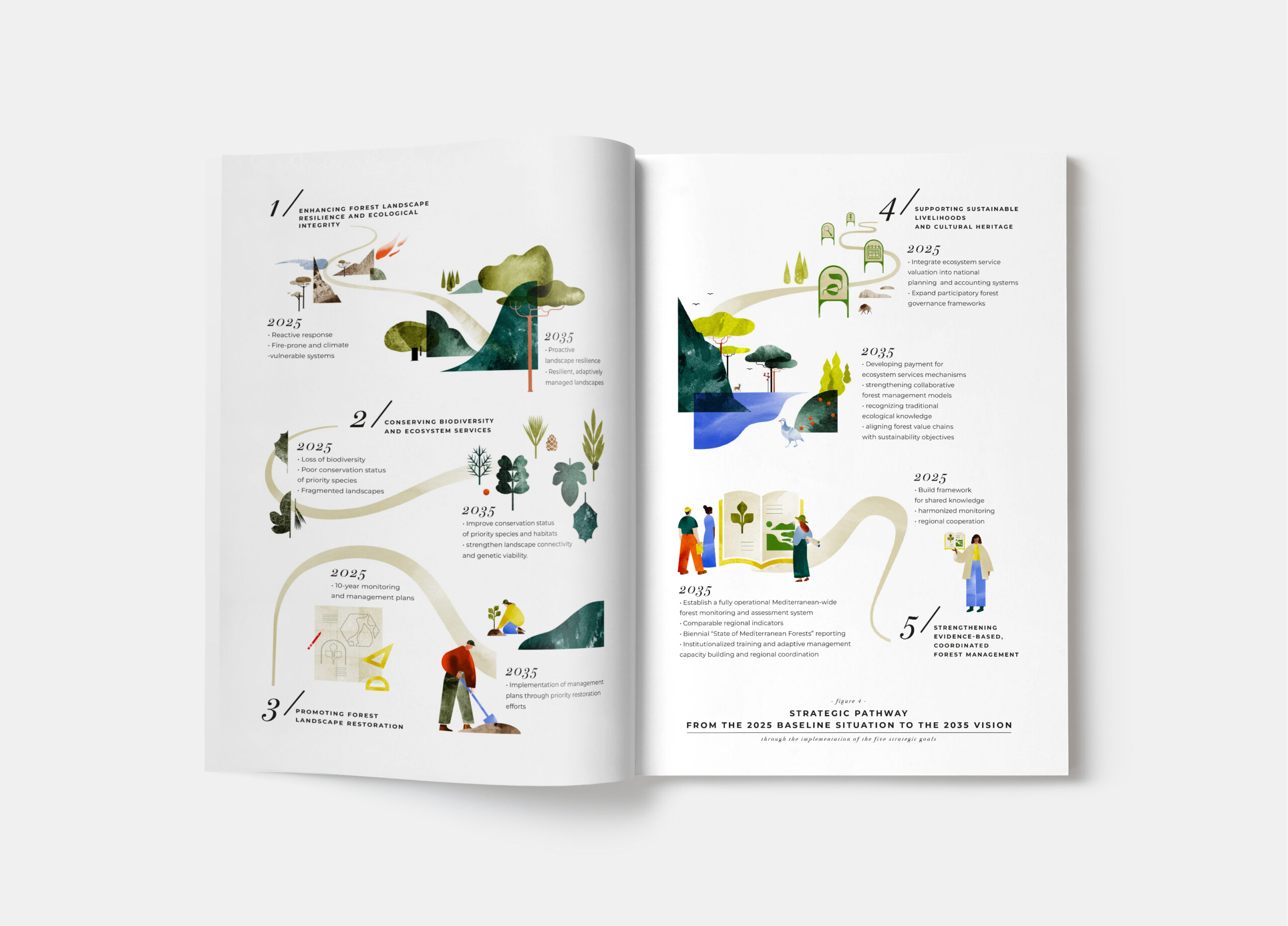
During its initial phase, StrategyMedFor developed a comprehensive framework supported by common criteria and indicators, geospatial data, and tools to help address the challenges facing Mediterranean forests. The approach was tested in three pilot territories: Samaria National Park in Crete, Greece; Galičica National Park in North Macedonia; and the Dinaric Alps in Bosnia and Herzegovina, focusing on the Sarajevo Canton and the Bjelašnica and Igman areas.
This first phase provided valuable experience in applying the project’s methodologies to different ecological and territorial contexts, helping identify opportunities and challenges for their practical implementation.
The Transfer phase builds on these results, shifting the focus towards adapting and applying the Framework and its toolbox in new territories and institutional settings.
Supporting forest managers and local stakeholders
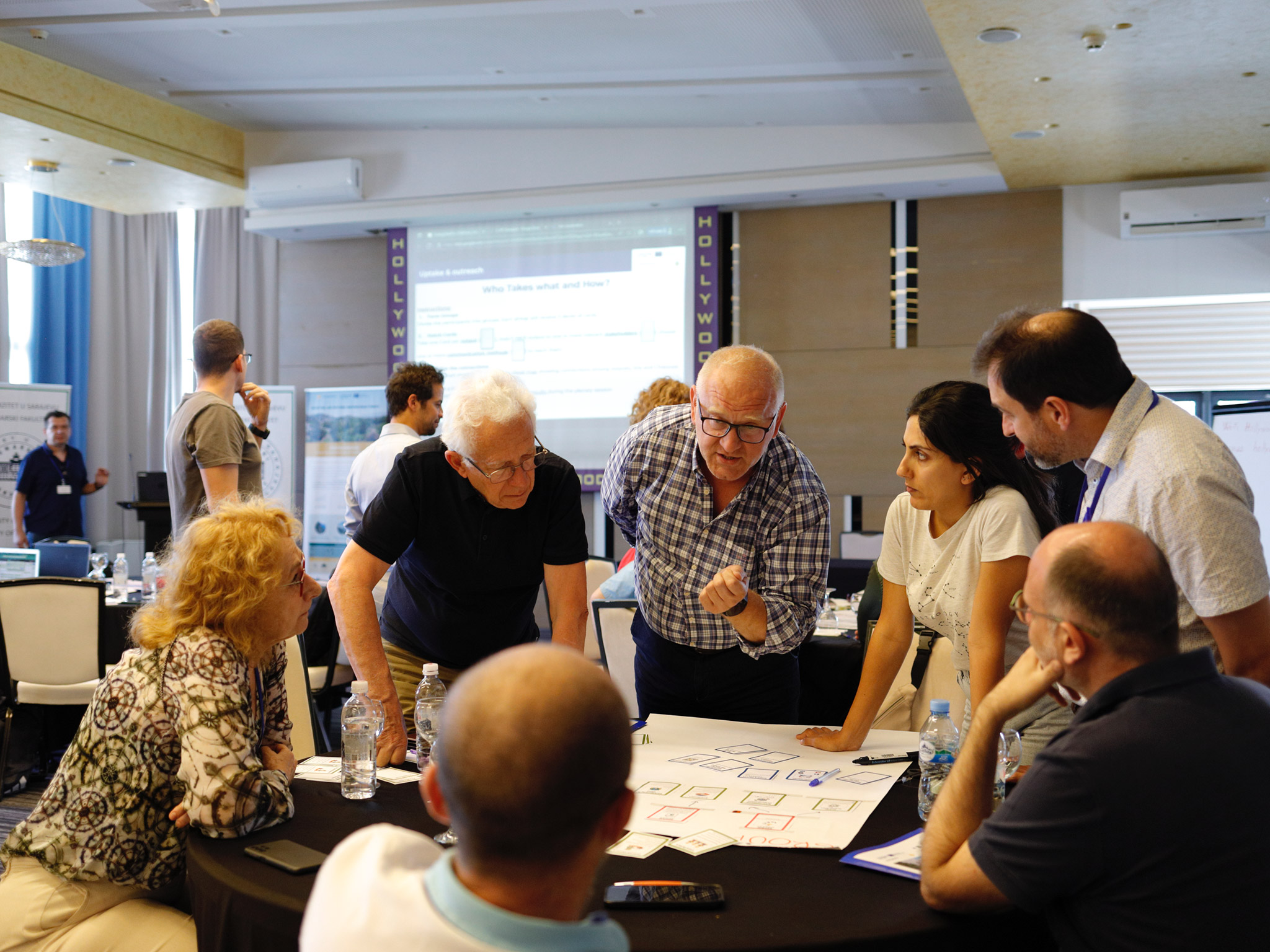
A central objective of the Transfer phase is to help receiver institutions and local stakeholders understand how StrategyMedFor tools can respond to their specific forest management needs.
Through capacity-building activities, technical exchanges and hands-on collaboration, the project will explore how the Framework and its supporting tools can contribute to climate-resilient forest management, biodiversity conservation, forest restoration, wildfire risk prevention and evidence-based spatial planning.
The process will also take into account local needs, available data, institutional capacities and territorial contexts, ensuring that the methodologies can be adapted to different management challenges.
Strengthening cooperation and long-term impact
The Transfer phase places strong emphasis on knowledge exchange and collaboration between project partners, receiver institutions and stakeholders. By sharing experiences and lessons learned, StrategyMedFor aims to facilitate the integration of its tools into existing management practices, strategies and decision-making processes.
Beyond the four new pilot territories, this phase will also contribute to the wider replication of the project’s approach across the Mediterranean region, supporting continued cooperation and the long-term use of the project’s results.
From developing tools to supporting their practical application, StrategyMedFor is taking the next step towards more resilient, biodiverse and sustainably managed Mediterranean forests.
Bringing the Tools into Practice: Technical Webinar
As a first step in the Transfer phase, StrategyMedFor will organise the online technical webinar “Transferring Tools to Forest Managers” on 3 November 2026. The public session will present the project’s Forward-looking Framework and supporting tools, showcasing their application through experiences from the initial pilot territories. Topics will include biodiversity assessment, forest fire impact, climate-induced species distribution shifts, and the prioritisation of actions for forest protection, restoration and resilience. The webinar will also explore lessons learned from the development of pilot-site Action Plans and transboundary cooperation.
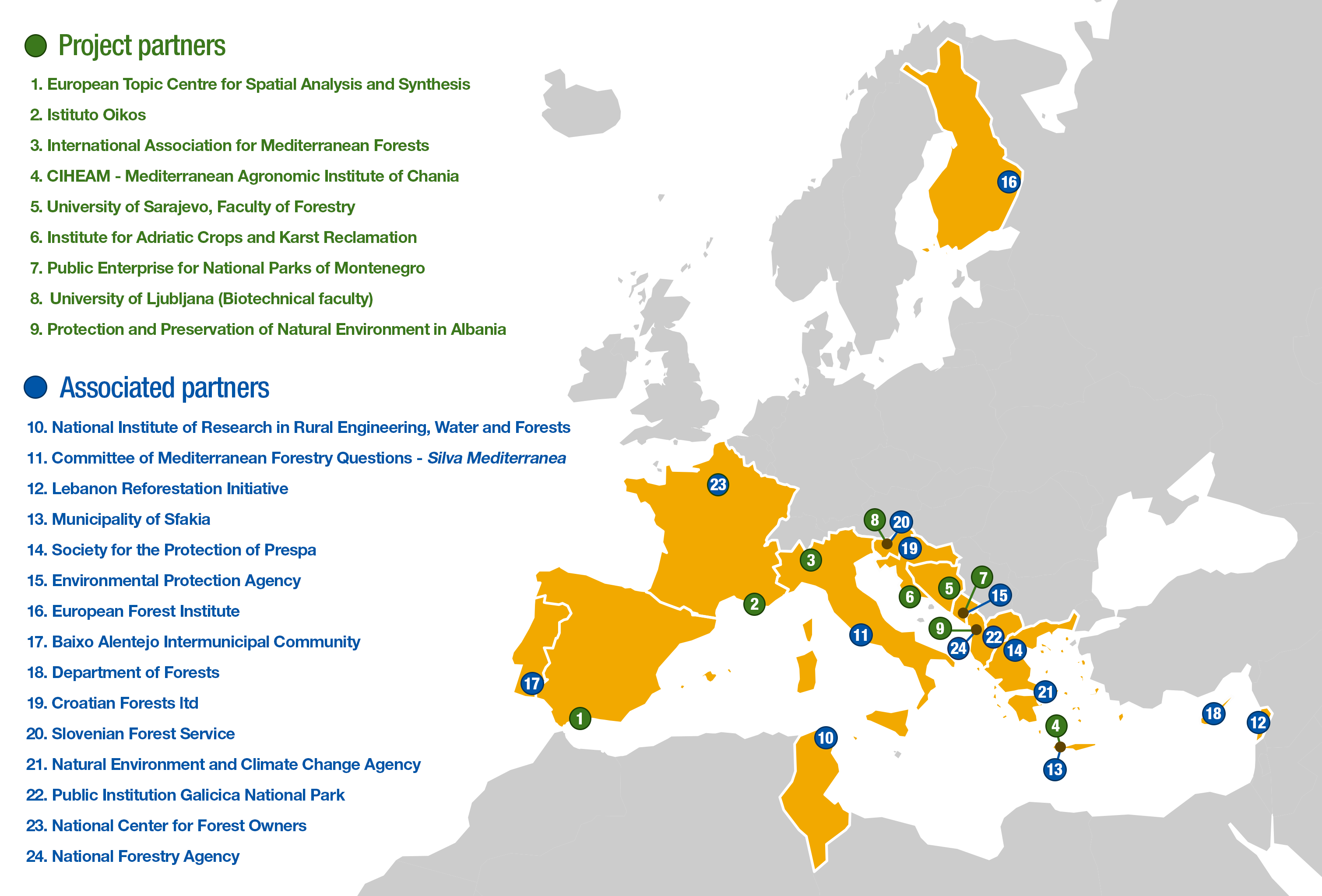
By connecting methodologies with practical examples, the event aims to help participants understand how StrategyMedFor tools can support real-world forest management challenges and prepare the ground for their application in the new Transfer territories. A dedicated afternoon session for project partners and associated partners will focus on the needs assessment and stakeholder mapping that will guide the next steps of the Transfer phase.