

After 30 months of cooperation, field testing and stakeholder engagement, StrategyMedFor reaches a major milestone with the publication of its Forward-looking Framework for the Sustainable Management of Forests in the Mediterranean Region.
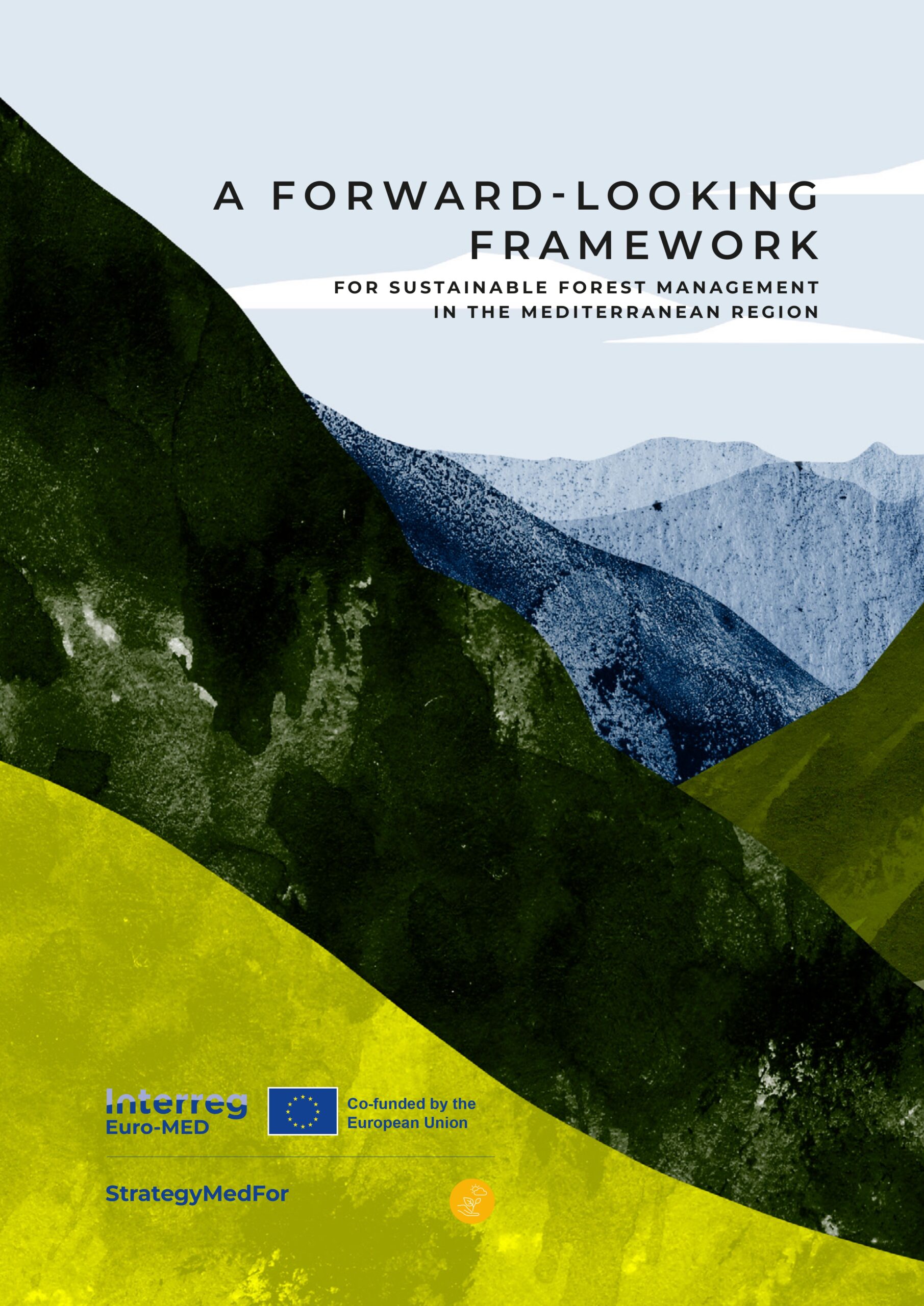
Discover the Framework
📘 Forward-looking Framework for the Sustainable Management of Forests in the Mediterranean Region
O.1.1 – Forward-Looking Framework for the Sustainable Management of Forests in the Mediterranean Region
📄 StrategyMedFor Policy Brief
D.1.1.2 – Policy brief on the Framework for the sustainable management of Mediterranean Forests
🌐 Mediterranean Biodiversity Protection Knowledge Platform – Forest Ecosystem
Explore the Forest Ecosystem Knowledge Platform
Mediterranean forests are facing increasingly complex pressures, from climate change and wildfires to biodiversity loss, water scarcity, land-use change and the abandonment of traditional management practices. Addressing these challenges requires approaches that are both strategic and adapted to the specific environmental, social and governance contexts of Mediterranean territories.
This is the ambition behind the Forward-looking Framework for the Sustainable Management of Forests in the Mediterranean Region, the major strategic output of the StrategyMedFor project.
A framework built through a 30-month collaborative process
The Framework is the result of a collective process involving the StrategyMedFor consortium, associated partners and stakeholders from across the Mediterranean.
Over 30 months, the project brought together scientific knowledge, European forest management approaches, local expertise and practical experience to develop and test a common approach for sustainable forest management.
Rather than being developed as a purely theoretical document, the Framework was progressively shaped through research, technical work, field testing and stakeholder consultation.
From European criteria to a Mediterranean approach
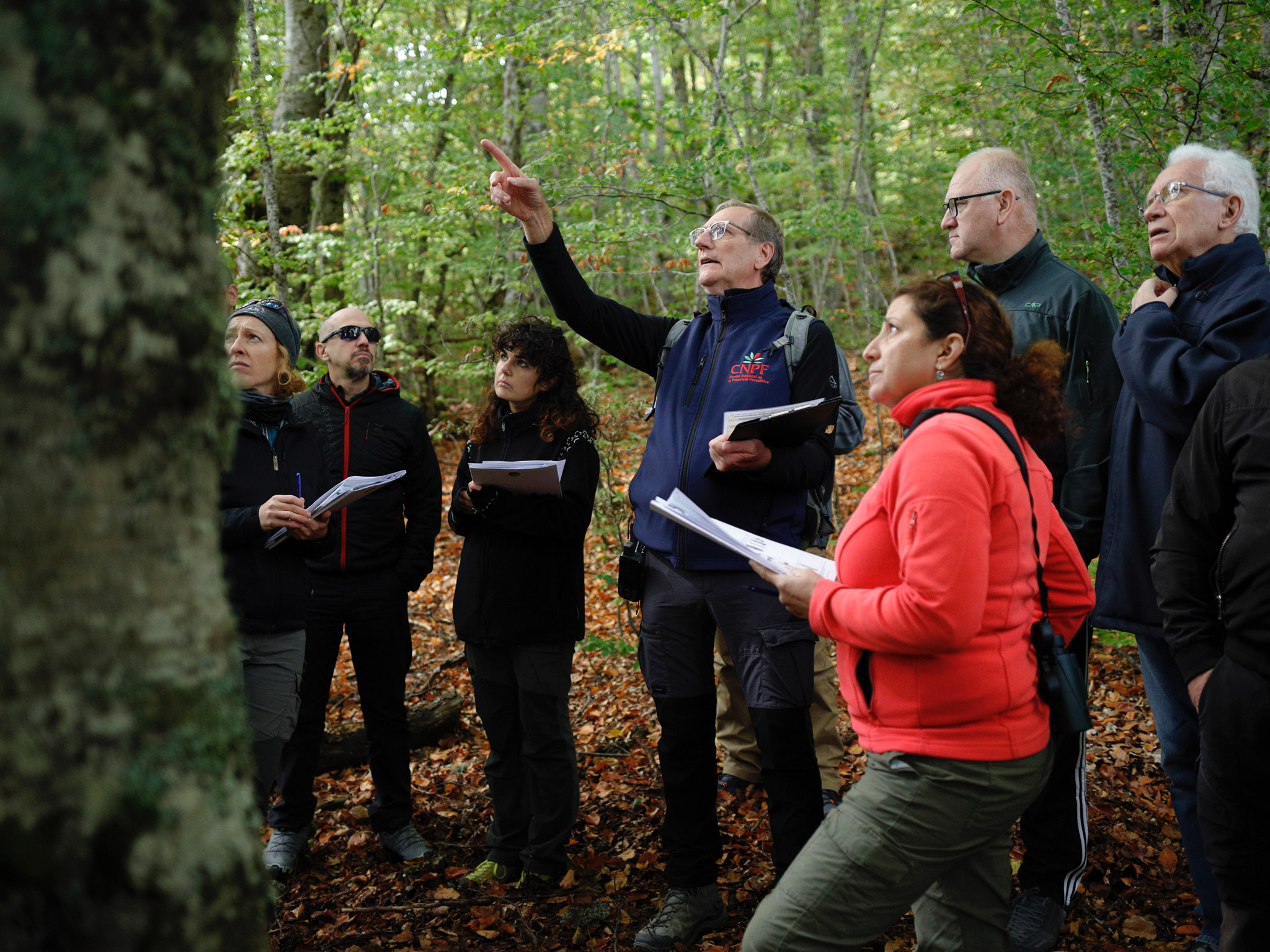
A key step in the process was the adaptation of the Forest Europe criteria and indicators to the specific characteristics and challenges of Mediterranean forests.
The approach builds on the six Forest Europe criteria and complements them with indicators designed to better capture the specific ecological, socio-economic and territorial dimensions of Mediterranean forest ecosystems.
This provides a common reference while allowing the approach to be adapted to different local contexts and levels of data availability.
Developing and testing practical tools
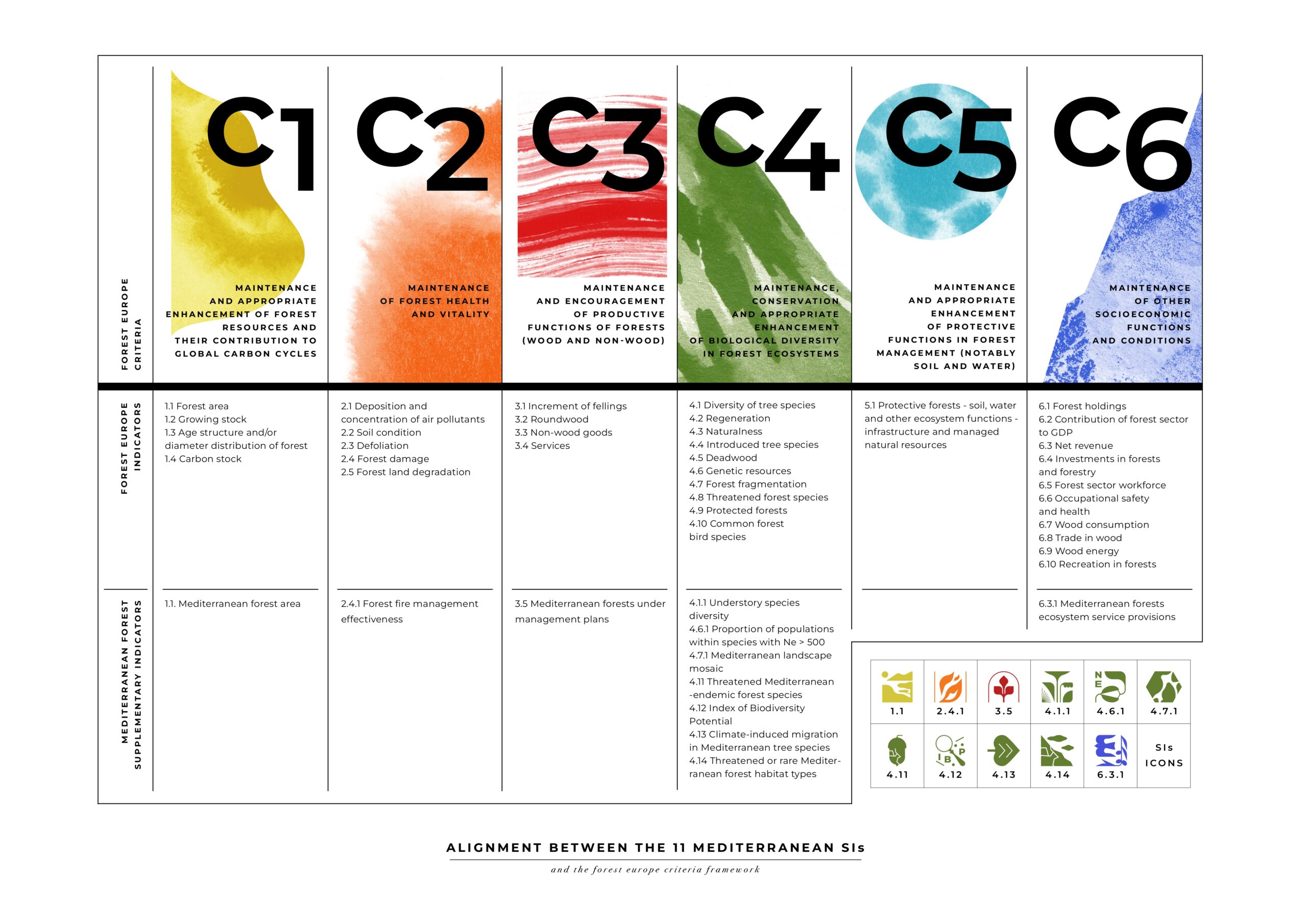
The StrategyMedFor process also involved the development and application of a range of methodologies, tools and spatial approaches to support the assessment and management of forest ecosystems.
These included approaches for analysing forest conditions and ecological values, assessing risks and pressures, and supporting the spatialisation and mapping of relevant indicators.
The tools were not developed in isolation: their practical application in the pilot territories provided an opportunity to test their relevance, identify challenges and improve the overall approach.
Learning from three pilot territories
The Framework was tested in three different Mediterranean contexts:
- Samaria National Park / Lefka Ori, Crete, Greece
- Galičica National Park, North Macedonia
- Dinaric Alps, Bosnia and Herzegovina
These territories differ in their ecological characteristics, governance structures, forest management practices and pressures. Their involvement therefore provided an important opportunity to assess how a common framework can work across different Mediterranean realities.
The field phase included technical meetings, field visits, workshops and consultations with local stakeholders, helping connect the strategic approach with the realities of forest management on the ground.

Co-developed with stakeholders
Stakeholder engagement was an essential part of the StrategyMedFor process.
Public authorities, forest administrations, protected-area managers, researchers, universities, civil society organisations and other stakeholders contributed knowledge and perspectives throughout the project.
Their feedback helped the consortium identify practical challenges, refine the proposed approaches and ensure that the Framework could respond to the needs of those who will ultimately use it.
A reference for future action
The resulting Framework provides a common and forward-looking reference for sustainable forest management in the Mediterranean region.
It is intended to support stakeholders in:
- assessing the condition and dynamics of Mediterranean forests;
- identifying key pressures, risks and management needs;
- strengthening integrated approaches to forest management;
- supporting protection, restoration and resilience;
- improving the use of evidence and spatial information in decision-making; and
- developing approaches that can be adapted and transferred to different Mediterranean territories.
The Framework is complemented by the StrategyMedFor Policy Brief, as well as the methodologies, tools, spatial products and pilot Action Plans developed through the project. All the deliverables of the StrategyMedFor project are available in the What we achieve page.
The next step: transfer and replication
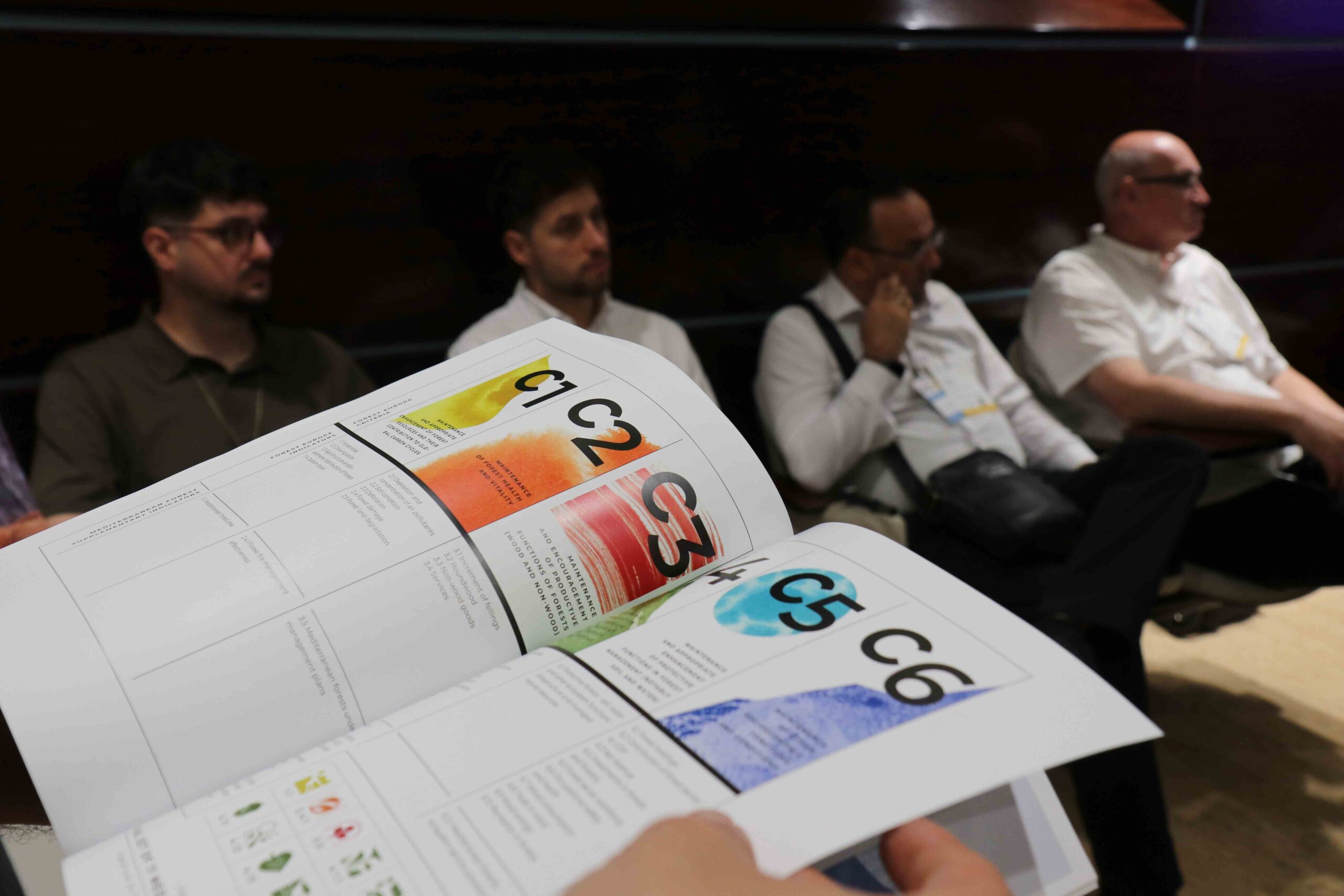
The publication of the Framework marks an important milestone, but not the end of the StrategyMedFor journey.
The project’s Transfer phase will build on the experience gained during the test phase and extend the approach to new pilot territories in Croatia, Montenegro and Albania.
This next phase will provide further opportunities to share the StrategyMedFor approach, test its transferability and adapt it to new territorial contexts.
The project’s knowledge and tools will also remain accessible through the Mediterranean Biodiversity Protection Knowledge Platform – Forest Ecosystem, providing a long-term entry point to the Framework, methodologies, reports, spatial tools, maps and other resources developed through StrategyMedFor.