
From 30 September to 2 October 2025, the StrategyMedFor project held a regional consultation workshop in Ohrid, North Macedonia, bringing together forest practitioners, public authorities, researchers, protected area managers, and regional stakeholders from across the Mediterranean. The workshop focused on enhancing sustainability and resilience in Mediterranean forests through stronger transboundary cooperation, technical exchange, and joint planning processes.
Hosted by the Public Institution Galičica National Park (PIGNP) and jointly organised with Istituto Oikos, the workshop formed part of the broader StrategyMedFor consultation process supporting the co-development of the Framework for the Sustainable Management of Mediterranean Forests.
The event gathered participants from North Macedonia, Albania, and Greece, including representatives of protected areas and associated partners working together on the Transboundary Forest Action Plan for the Prespa–Ohrid landscape. The workshop created a space for peer learning, collaborative reflection, and practical field-based exchanges on sustainable forest management challenges and solutions.
Advancing Mediterranean forest management tools
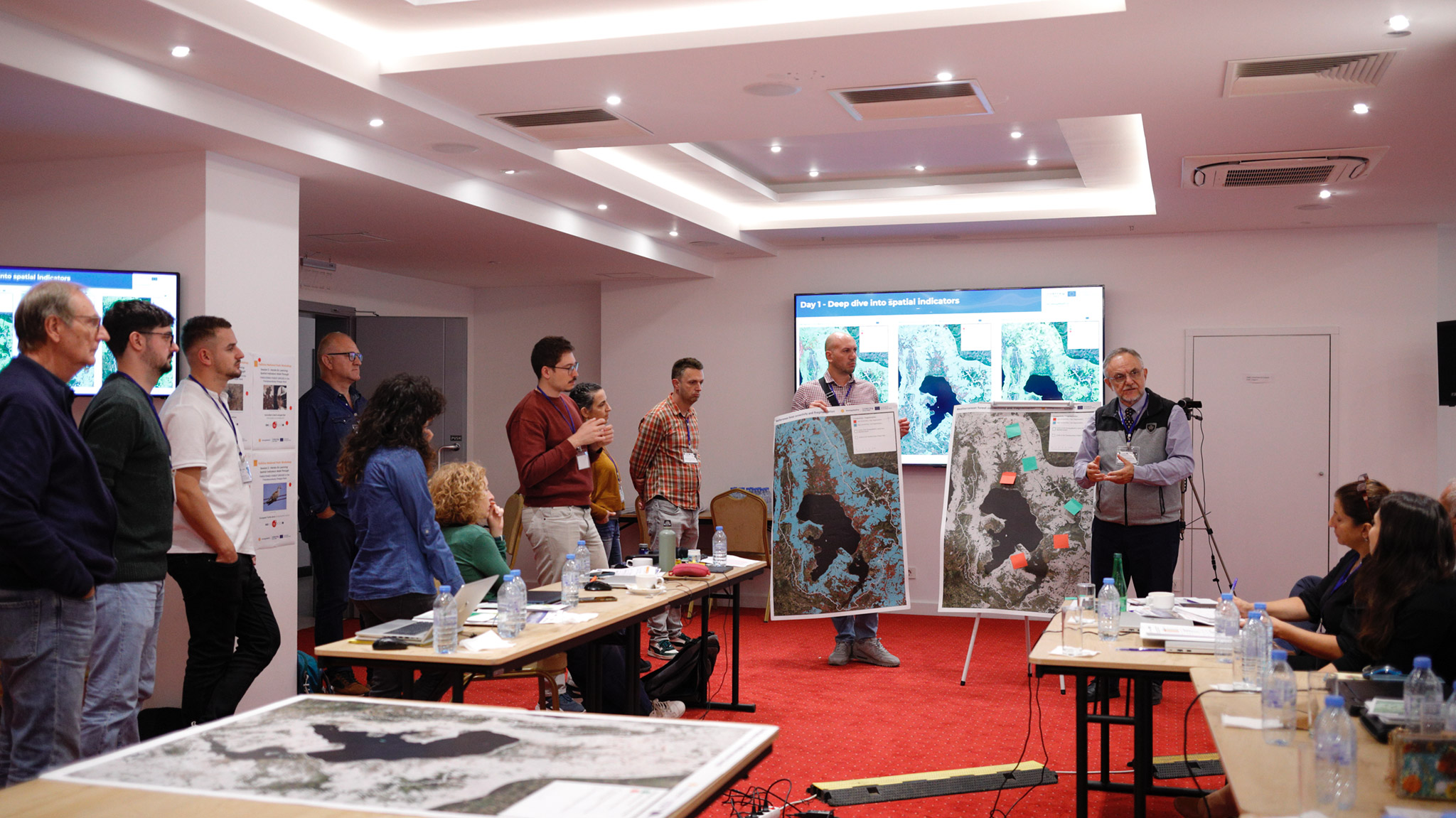
The first day focused on the strategic and technical foundations of the StrategyMedFor project. Participants were introduced to the project’s objectives, methodologies, and analytical tools supporting Mediterranean forest management. Presentations highlighted the integration of spatial data, remote sensing, GIS, and climate modelling into evidence-based decision-making processes.
A major focus was placed on:
- the High Ecological Value (HEV) Forest spatialisation approach,
- the Mediterranean Biodiversity Protection Knowledge Platform (MBPKP),
- and the Criteria & Supplementary Indicators framework designed to support forest monitoring and decision-making across the Mediterranean region.
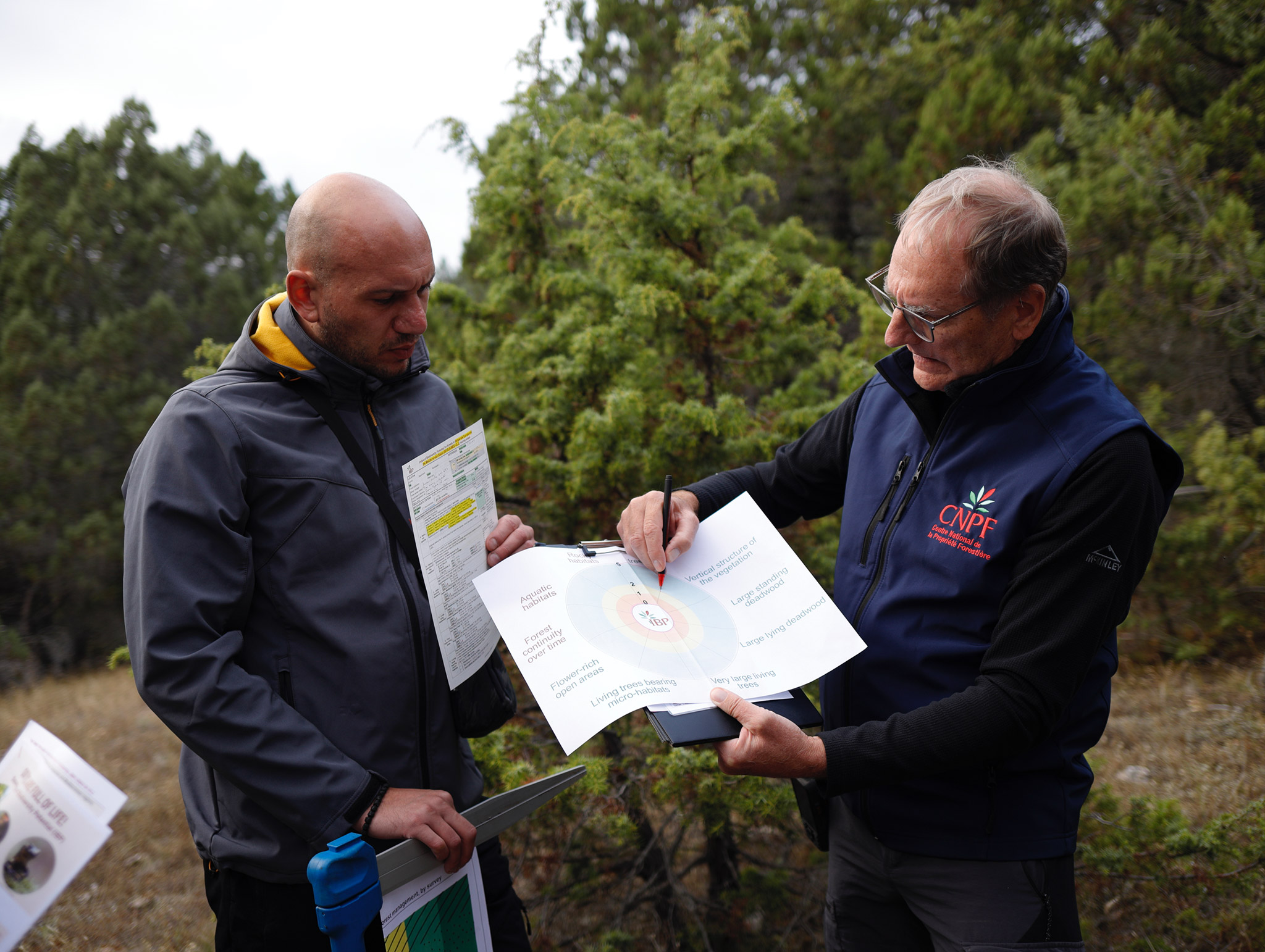
Participants also explored the Index of Biodiversity Potential (IBP), a practical field methodology used to assess forest ecological quality and habitat conditions. Through interactive exercises and technical sessions, stakeholders worked on designing field survey protocols adapted to different forest contexts and management objectives.
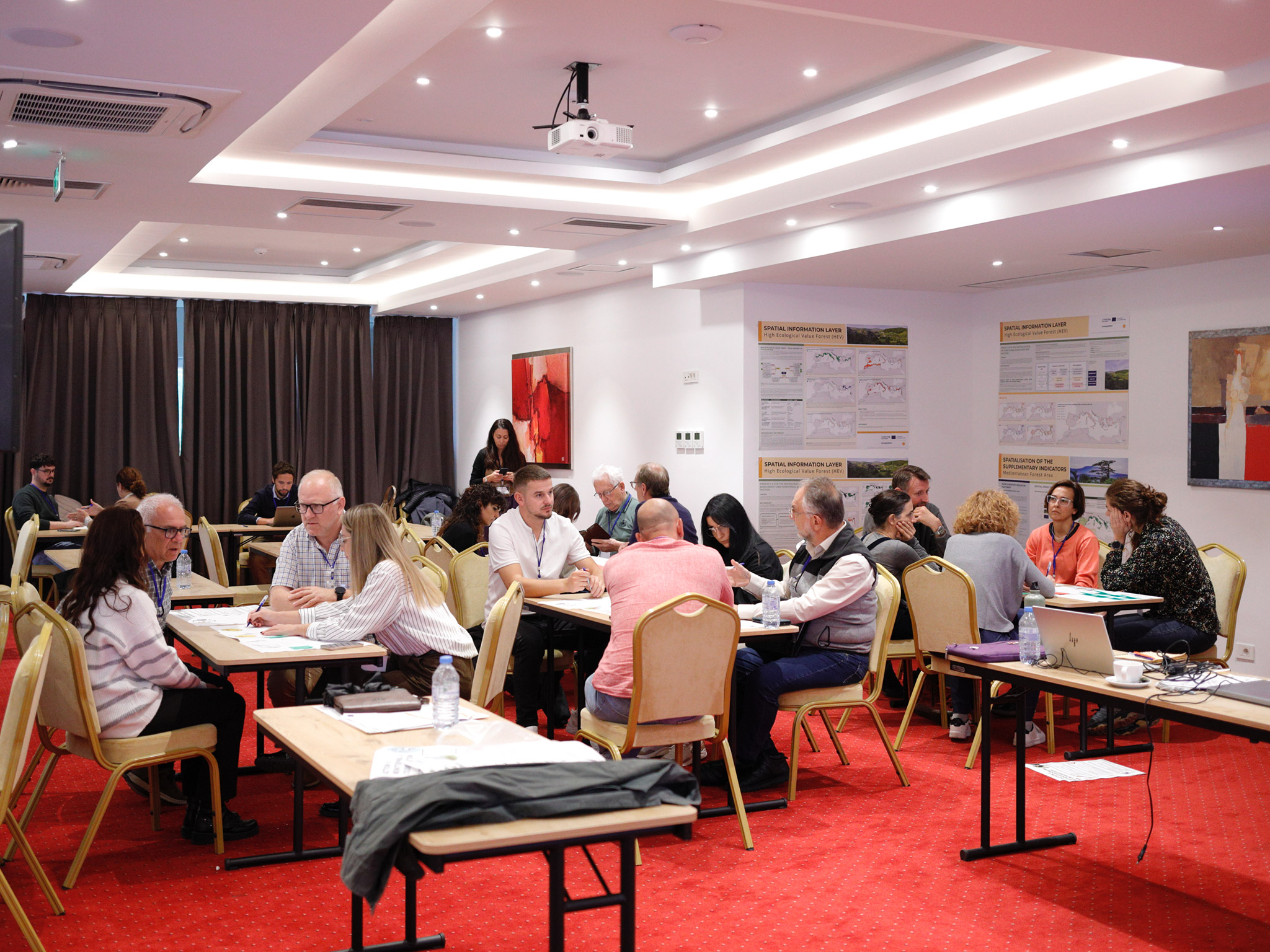
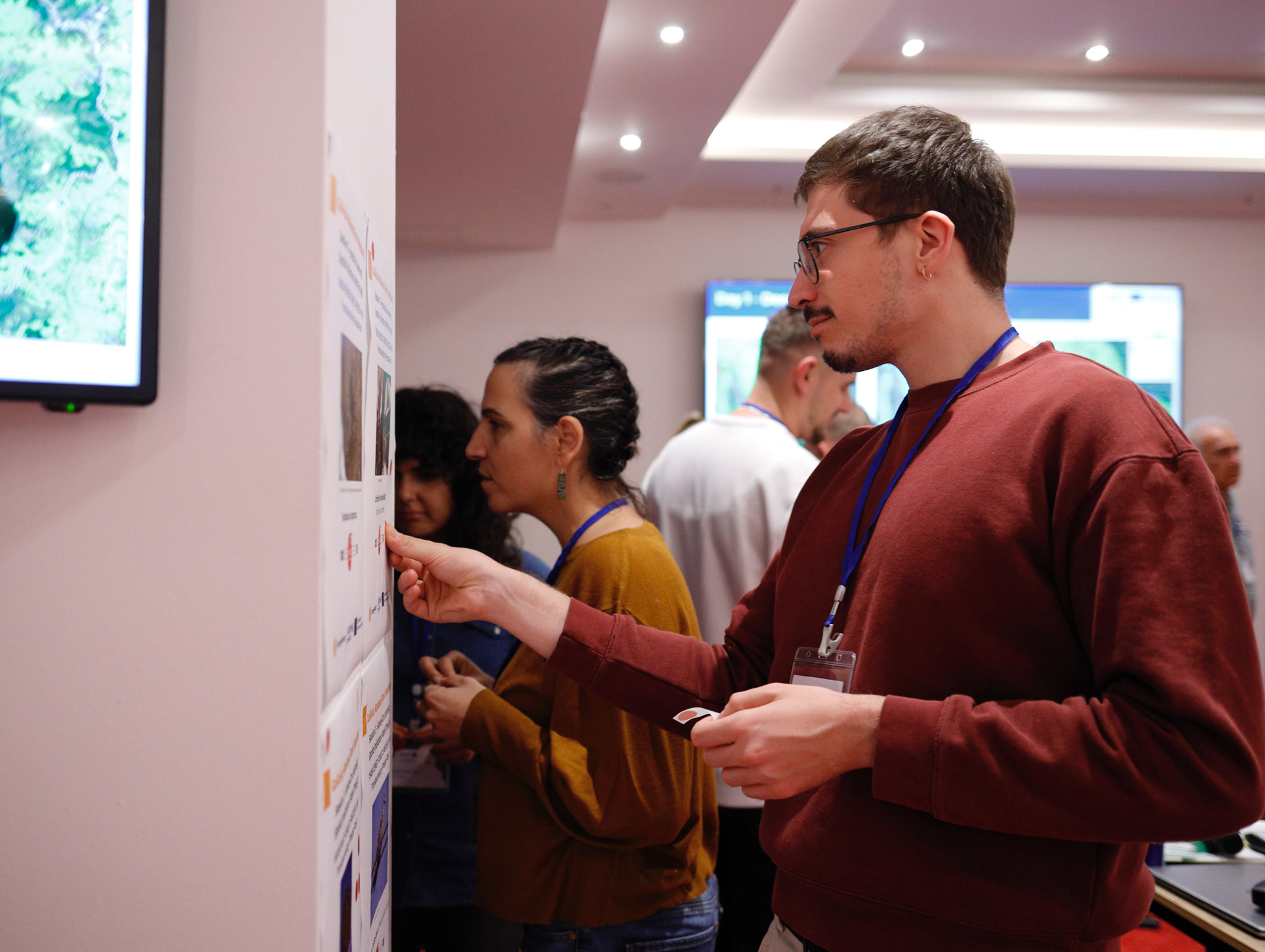
The workshop further included participatory spatial exercises where local practitioners reviewed and validated forest connectivity layers, forest types, and ecological datasets covering the transboundary Prespa–Ohrid landscape shared by Albania, North Macedonia, and Greece.
Field visit to Galičica National Park
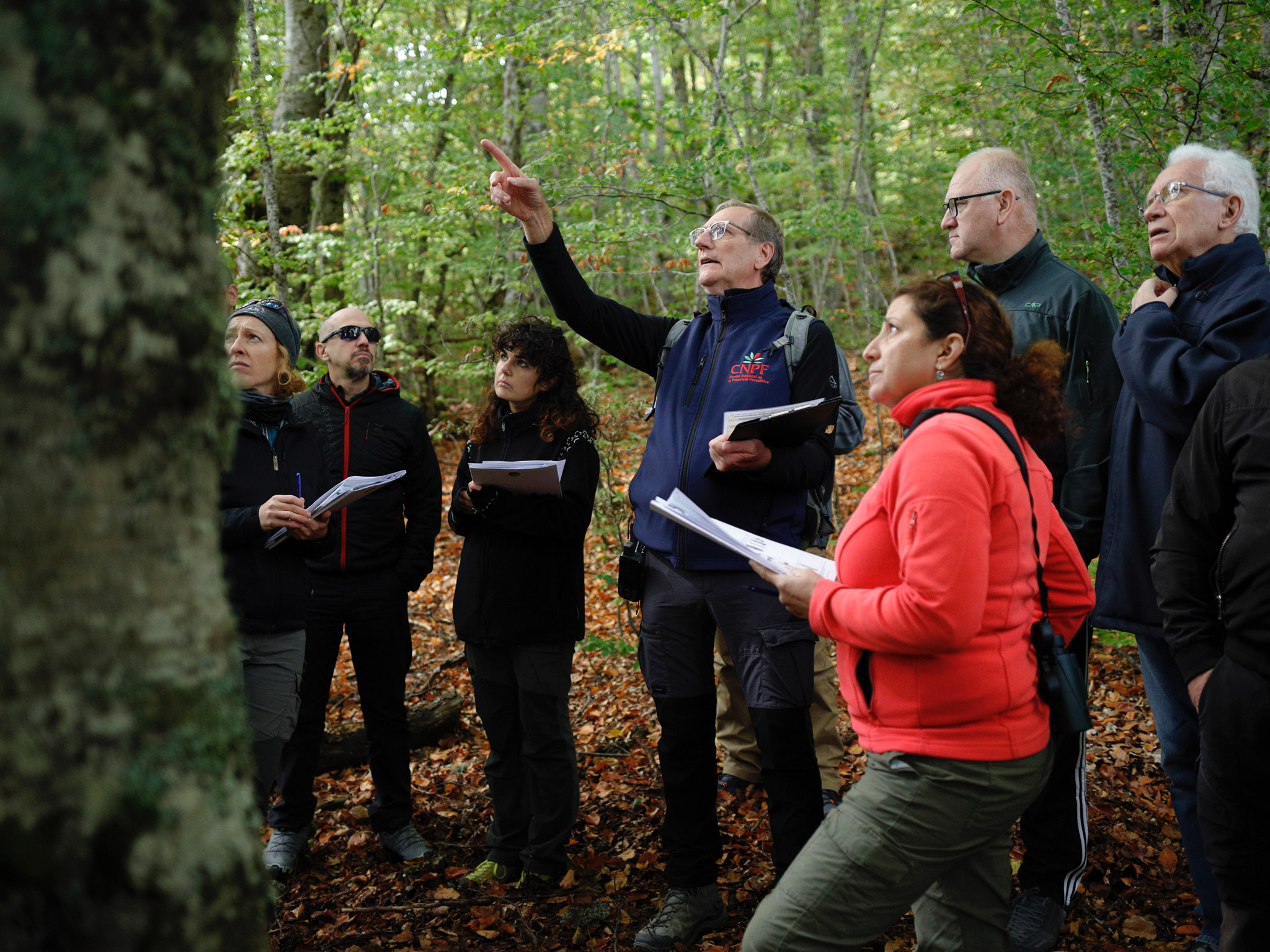
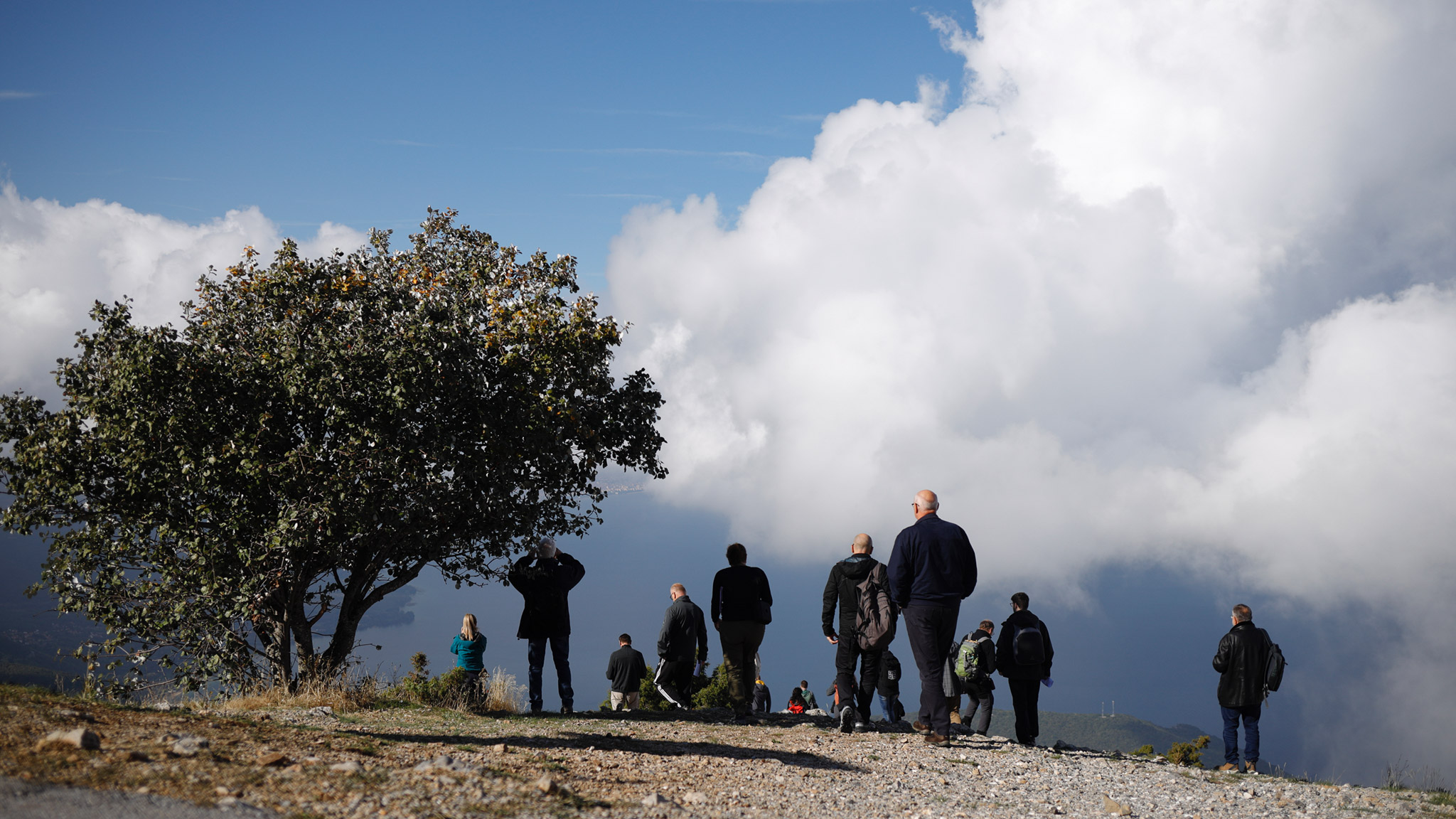
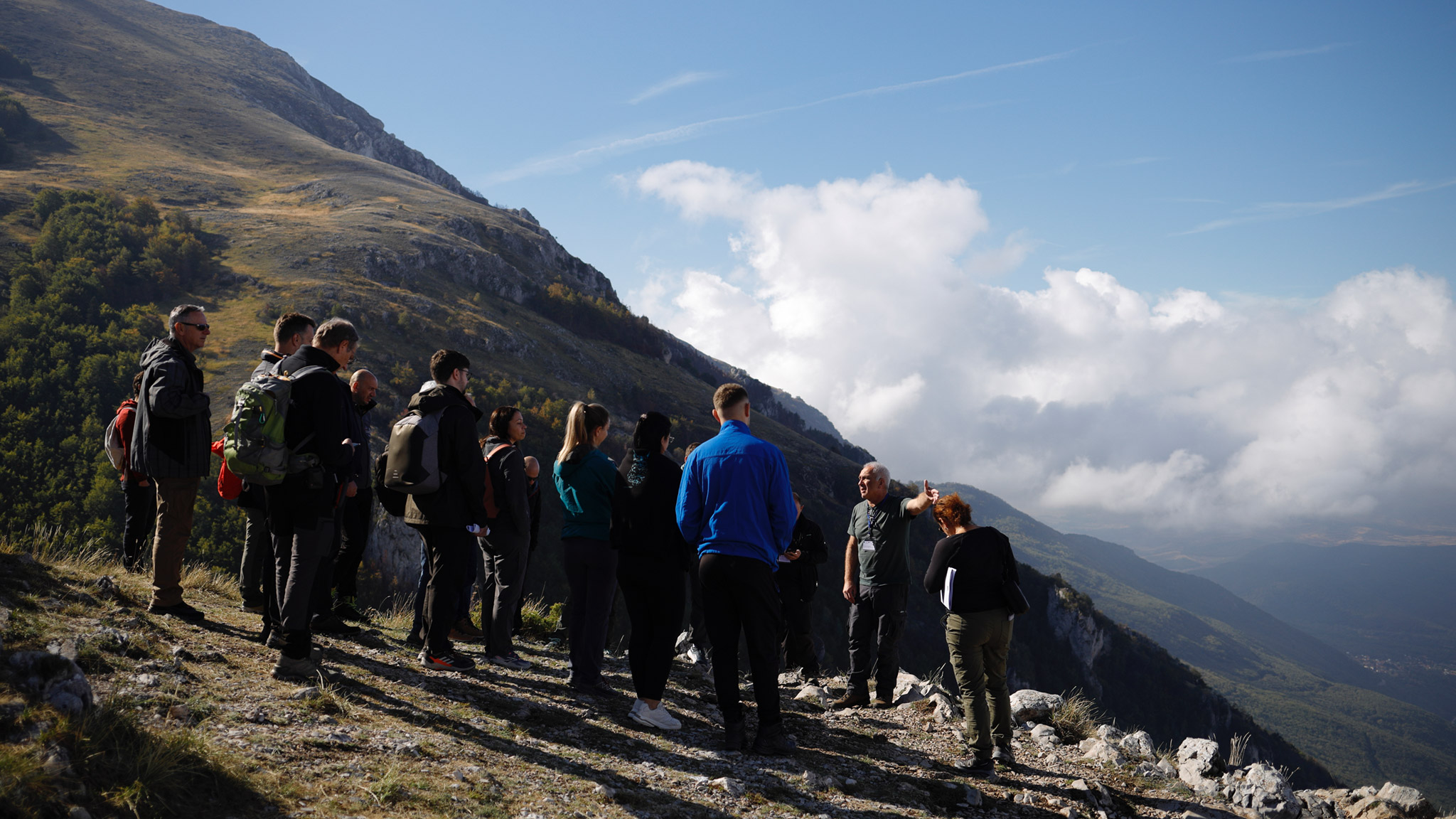
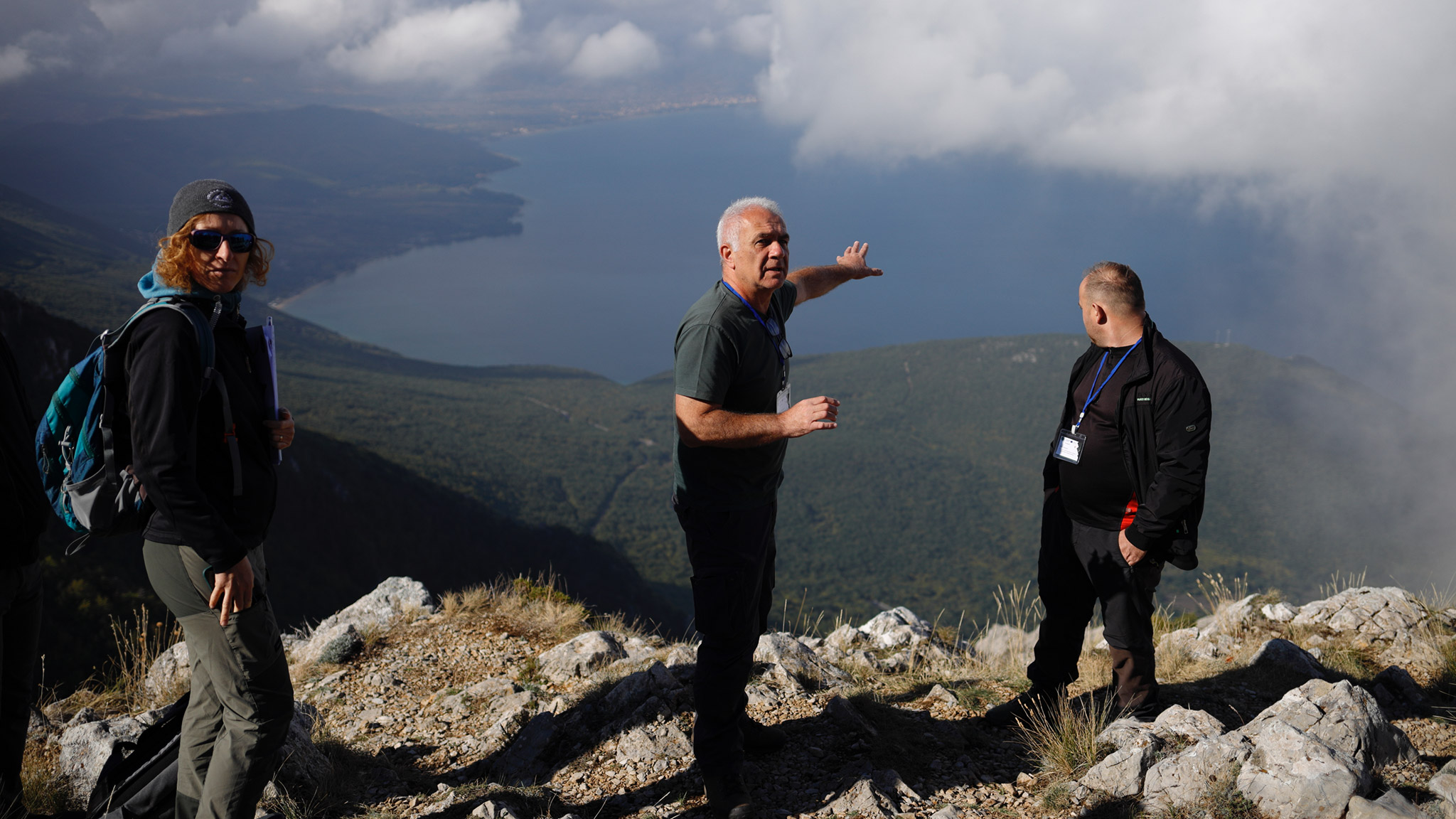
The second day took participants into the field at Galičica National Park, where they tested the application of Mediterranean forest monitoring tools in real conditions.
The field visit focused on:
- validating spatial indicators and management data,
- applying the IBP methodology,
- and discussing local ecological challenges and management implications.
Participants conducted rapid biodiversity assessments in selected forest plots and discussed forest habitat structures, ecological pressures, and monitoring consistency across borders.
Special attention was given to Juniperus excelsa forest stands, an important conservation feature of the area. The workshop highlighted how IBP methodologies can be adapted to specific ecological contexts while supporting long-term monitoring and restoration efforts.
Co-creating the Transboundary Action Plan
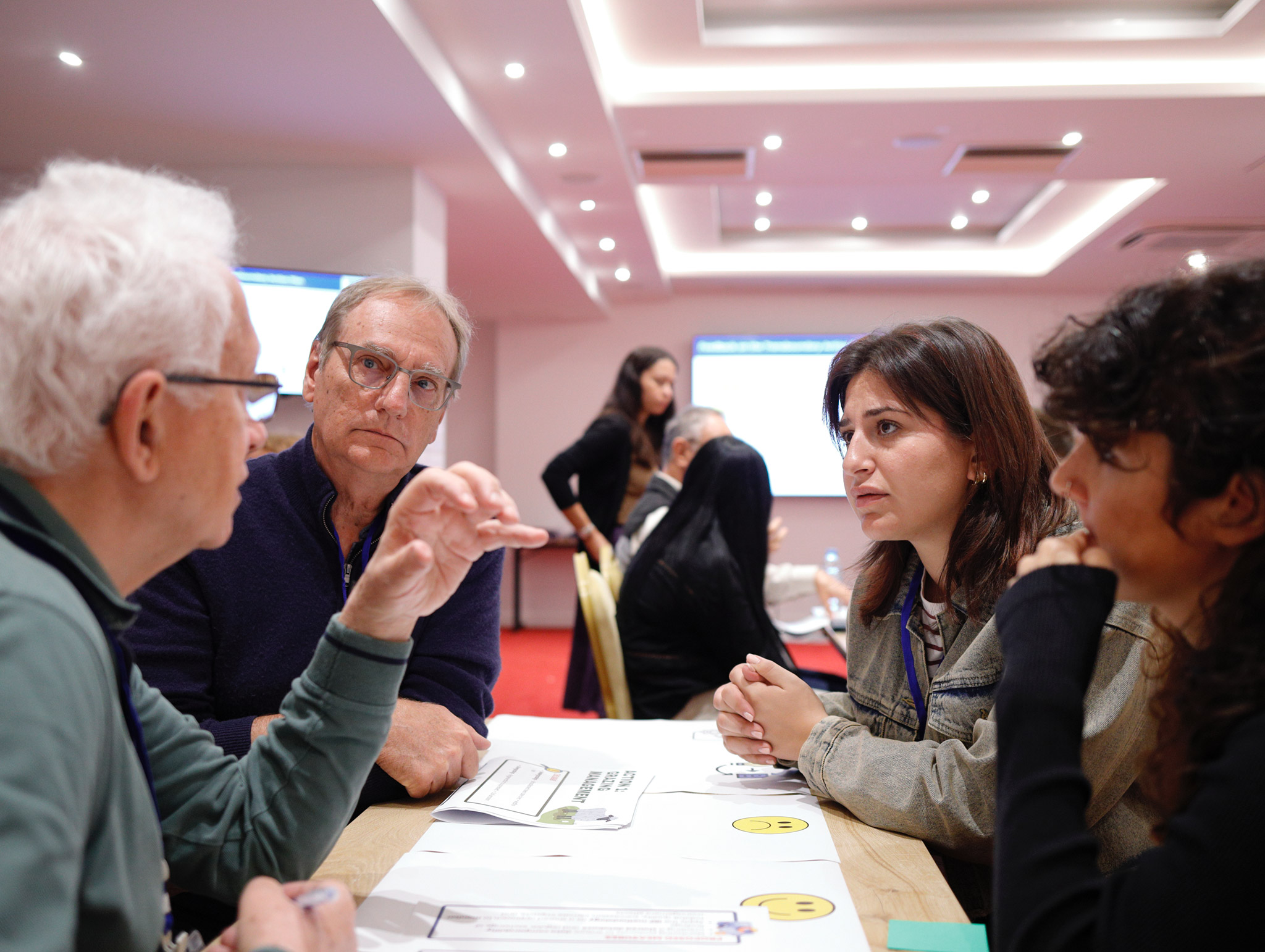
The final day focused on the co-development of the Transboundary Forest Action Plan for the Prespa–Ohrid region. Stakeholders from the three countries worked together to strengthen and refine six strategic action areas:
- grazing management,
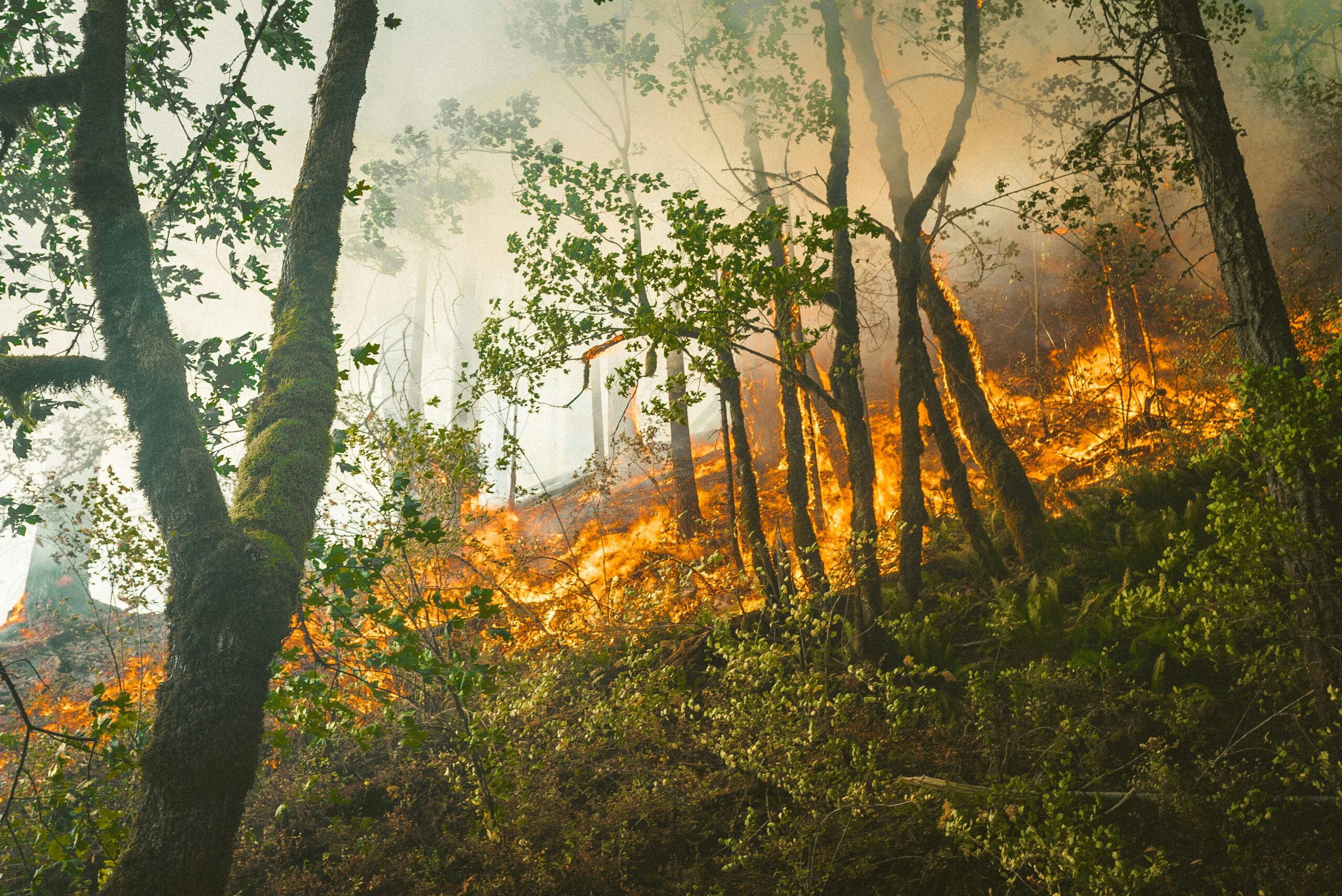
- fire prevention and control,
- silvicultural interventions,
- regeneration and genetic resources,
- monitoring and coordination,
- and socio-economic integration.
Through thematic working groups and participatory discussions, participants identified priorities, challenges, and opportunities for coordinated cross-border forest management. Discussions highlighted the need for stronger institutional cooperation, harmonised monitoring systems, fire resilience strategies, and sustainable livelihood approaches linked to forest conservation.
The workshop concluded with a strong shared commitment to continue strengthening long-term cooperation across the Prespa–Ohrid region and to transform the Transboundary Action Plan into a practical and operational framework for sustainable forest management.